Wellbeing and immune support
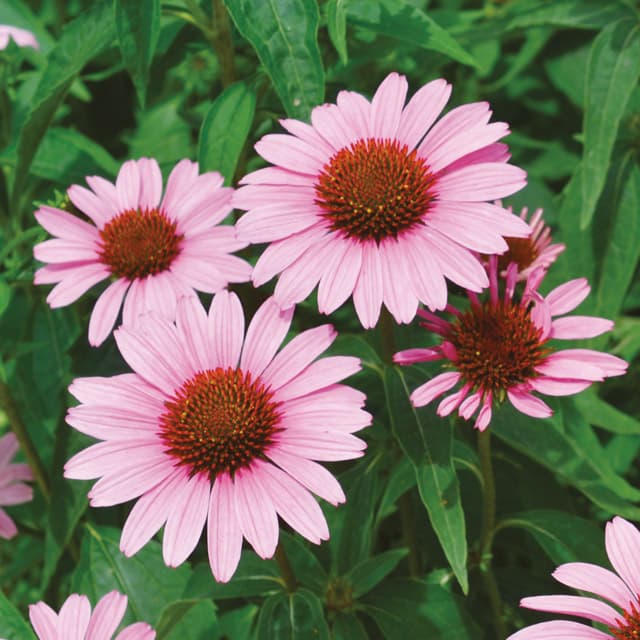
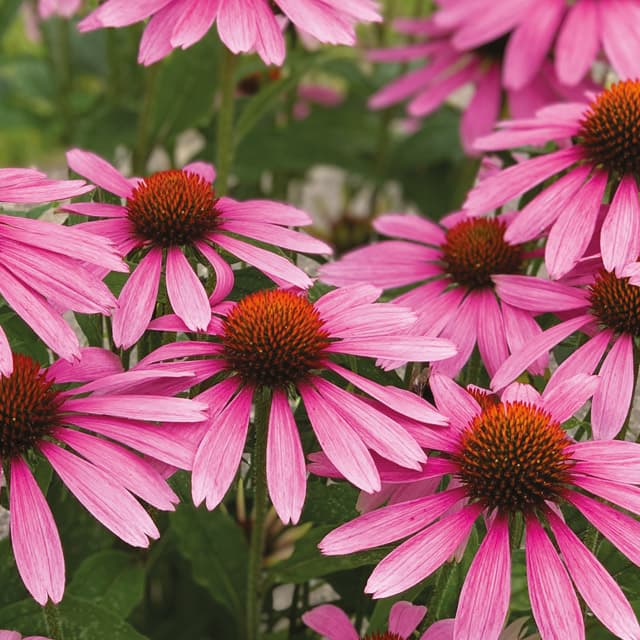
Echinacea is a perennial herbaceous plant belonging to the Asteraceae family, native to North America, whose name derives from the Greek “echinos = hedgehog” due to the pungent appearance of the dry flower head. The flower has a characteristic purplish-pink color, with long petals and a prominent cone in the center; the stem is capable of reaching one and a half meters in height.
The medicinal use of Echinacea dates back to the American Indians, in fact they applied root poultices to all types of wounds, insect bites, snake bites and burns. Echinacea-based decoctions were used as a remedy to treat coughs, colds, gastrointestinal disorders and toothaches. We had to wait until 1904 with Dr. Lloyd, who counted Echinacea tincture among the best-selling medicines in America for the treatment of localized infections, colds and flu. In 1916 she was admitted to the “National Formulary of the United States”. Echinacea was imported into Europe during the last century, especially in France and Germany, the Germans were the proponents of the first studies on its composition and the pharmacological properties of this plant.